






Hagia Sophia
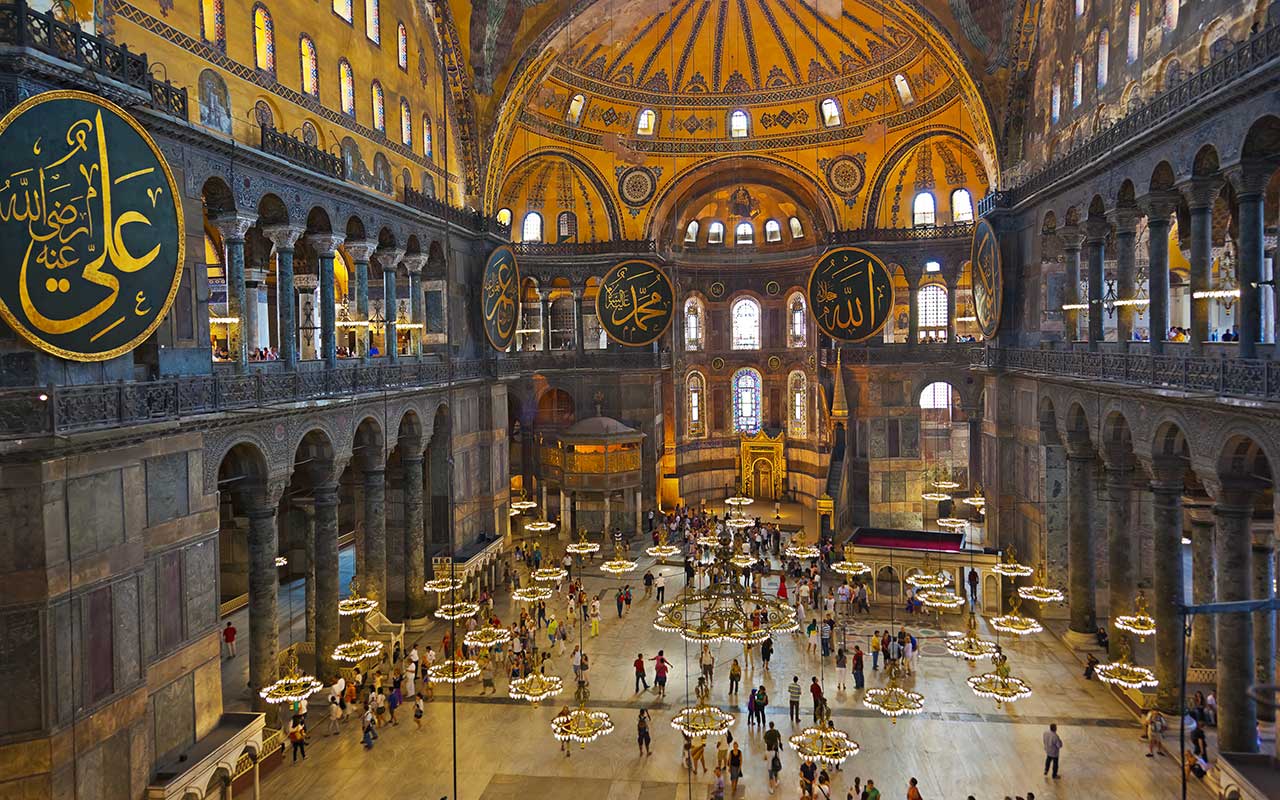
The ancient Byzantine church, built by Justinian I between 532 and 537 AD after the Nika Riot, was later converted to a mosque with the addition of minarets in mid-15th century. The remarkable structure with its 56-meter-high, immense dome is a museum today in which you can see both Christian and Islamic art. There are good examples of the Byzantine mosaics as well. For about 1000 years, this was the largest church in the world and glory of the Byzantine Empire.
Open daily between 09:30 and 16:30, except Mondays.
Sultanahmet Square
Scene of horse and chariot races and the center of Byzantine civic life. It was the place where the Nika Riot started in 532 AD. There are an Egyptian Obelisk, a stone obelisk and the Serpentine Column, which were originally brought by the emperors and used for the decoration of the Hippodrome. At the other side of the Hippodrome, the German Fountains still functions today. The imperial lodge was located to the west of the Hippodrome, where Ibrahim Pasha Palace stands now. Today Sultanahmet Square is a nice area for picnics and meetings. Open everyday.
Grand Bazaar
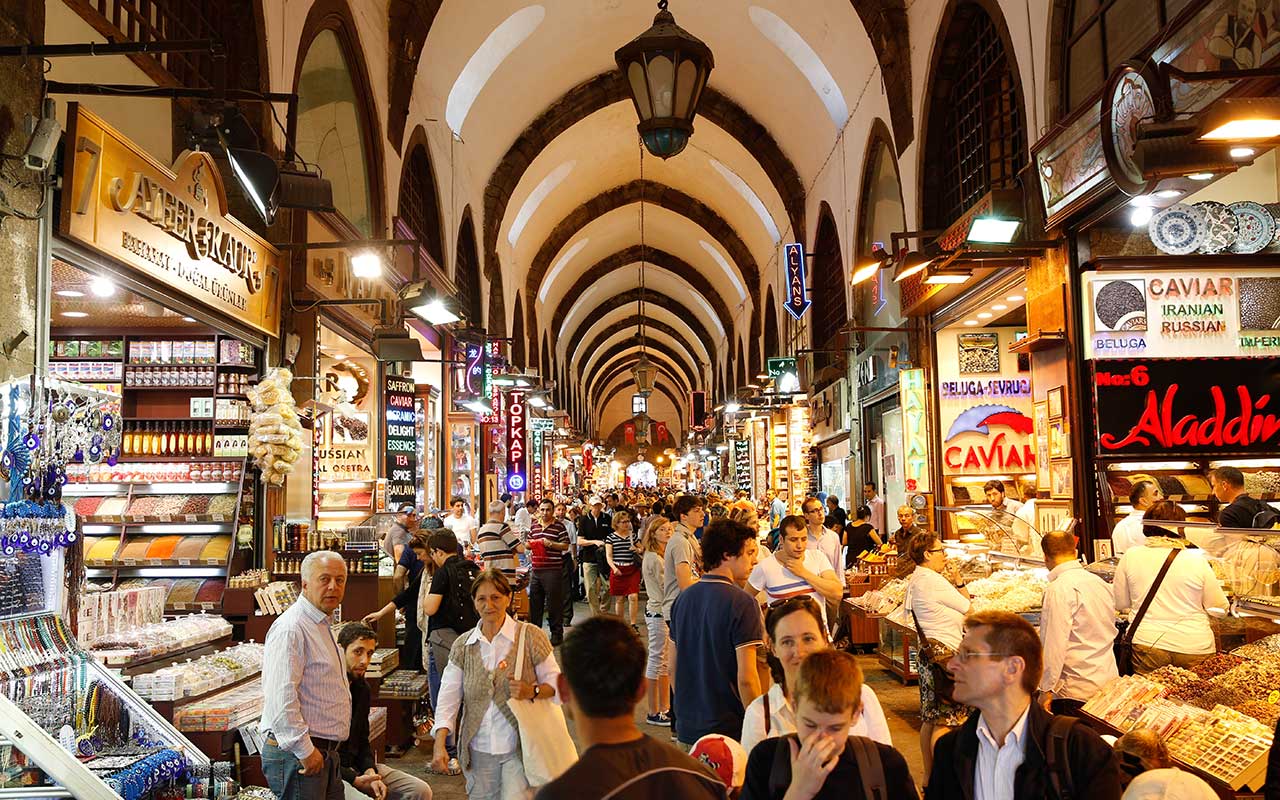
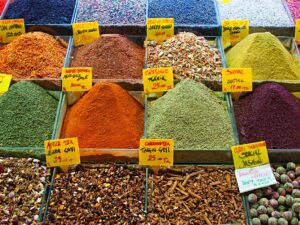
Built in the 15th century as a complex of 3,000 shops selling raw materials to be used in clothes manufacturing, the Covered Bazaar fulfills a viable commercial function to this day. The Bazaar’s fine shops and exotic atmosphere, mingling the ancient and new, make it a “must-see” in Istanbul. It’s divided into many sections, such as leather, rugs, souvenirs, copper, antiques, textiles, etc. There are 18 gates and 60 streets inside. Click here for more information on the Grand Bazaar. Open everyday except Sundays and National Holidays.
Topkapi Palace
Topkapi was the first Ottoman palace to be built (1466–1478) in the newly conquered capital of the Empire by Mehmet II. Located on the spot where the foundations of the city were first laid in ancient times by Megarian Chief Byzas in the 7th century BC, the palace boasts one of the most beautiful views of Istanbul, incorporating the Bosphorus, the Golden Horn, the two shores and the sea of Marmara. Unlike the European palaces, Topkapi is not a single monumental structure but a more organic complex made up of various kiosks, gardens and areas spread over the tip of the historical peninsula at the entry of the Golden Horn. Topkapi Palace served as the residence of Ottoman sultans for about 400 years, until Abdulmecid built the Dolmabahce Palace. In its hey-days, there were between 8 and 10 thousand people living in the palace, mostly the Janissaries. It was turned into a museum in 1924 and has become one of the most attractive palace-museums in the world. The most attractive exhibition halls of the palace are: treasury, Islamic holly relics, costumes of the sultans, divan, harem, kitchens, Chinese porcelains and several kiosks such as the Baghdad, Revan, Sofa and Mecidiye. There are appealing eating and resting facilities for visitors on the palace grounds, which have a great view. Open daily between 9:30 and 5:00 p.m. except Tuesdays.
Rüstem Pasha Mosque
The Rüstem Pasha Mosque was designed by Ottoman imperial architect Mimar Sinan for Grand Vizier Damat Rüstem Pasha (husband of one of the daughters of Suleiman the Magnificent, Princess Mihrimah). Rüstem Pasha died in July 1561 and the mosque was built after his death from around 1561 until 1563.







Reviews
There are no reviews yet.